Have you ever eyed your neighbor’s new attic extension with suspicion? In Singapore’s landed estates, space is a luxury everyone wants. Some owners take things too far by ignoring URA rules. They build right up to the boundary wall. Is it a smart space-saving hack or a ticking time bomb? The HardwareZone community is currently debating this exact issue. Some call for strict reporting to the authorities. Others warn against being a bao toh kia or snitch. Before you call the URA, you should understand the risks. Illegal renovations can ruin neighborly peace and your bank account. Let’s dive into the reality of landed living in Singapore.
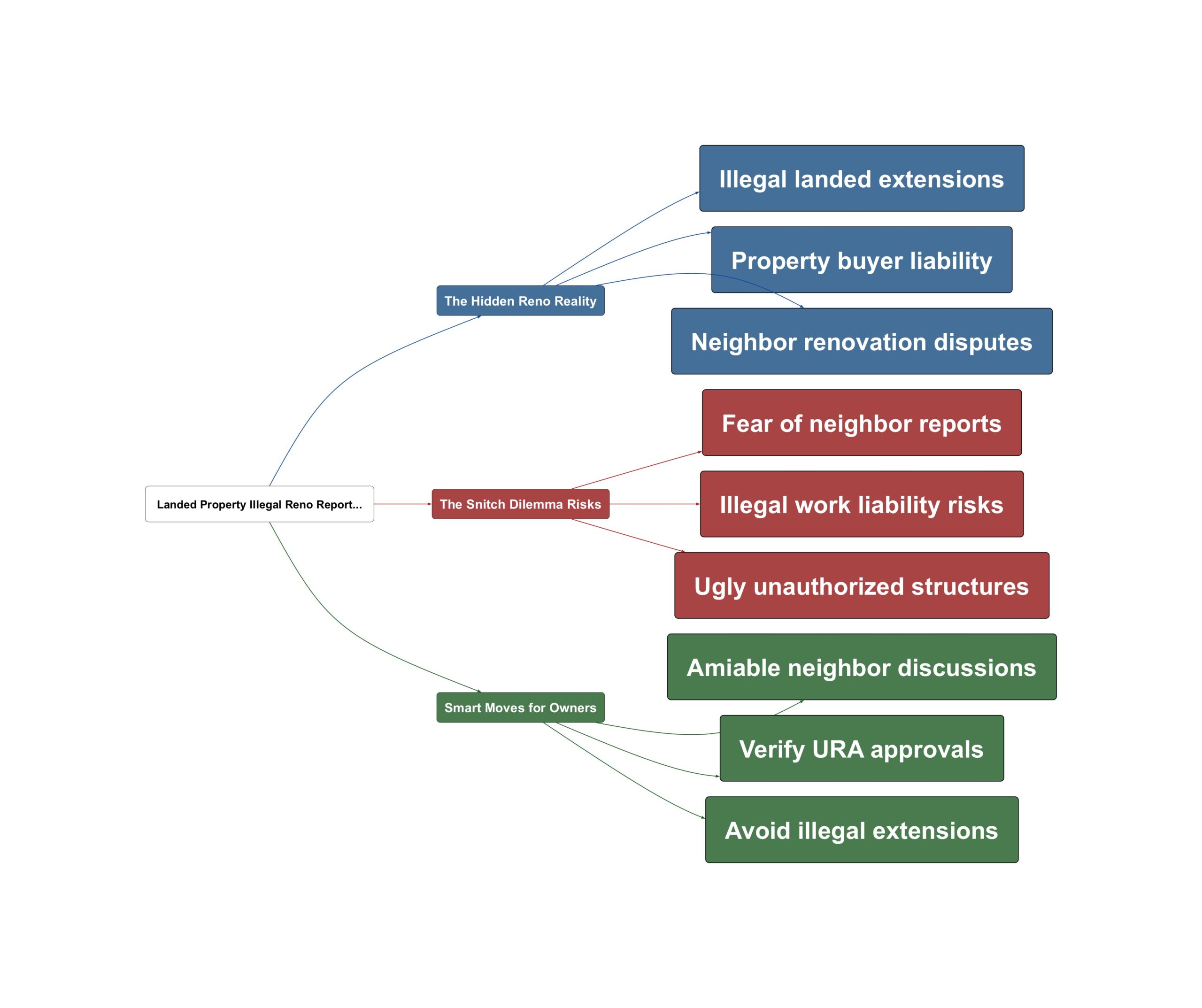
The Hidden Reno Reality
Landed property owners in Singapore often push boundaries quite literally. Many houses feature extensions that bypass official URA approvals. One forum member noted that 70% of houses share these extensions. Contractors often claim these works are perfectly fine. They tell owners that everyone else is doing it. This creates a culture of don’t get caught. Owners often build immediately after getting their certificates. These works are often in plain sight from the road. They include sealed-up balconies and oversized car porches. Some even build extra rooms above their car porch roof. The community notes that illegal works are surprisingly widespread today.
- Illegal extensions are common in many estates
“it is very very common that the rear portion is illegally extended all the way to the boundary line.”
- Contractors may mislead owners about legality
One HardwareZone user mentioned seeing contractors advertise illegal works. These ads target owners who are ignorant of local laws. They offer assurance that these extensions are standard practice. However, the law remains clear on boundary setbacks. Building all the way to the back lane is a common violation. It is so frequent that it almost seems normal in some estates.
The Snitch Dilemma Risks
The biggest risk isn’t just a fine from the URA. It is the sinkie pwn sinkie culture that haunts neighbors. If you report a neighbor, you create a lifelong enemy. One user warned: “Hope I don’t kena a neighbor like u sia.” However, illegal renovations make selling your property much harder. Many savvy buyers will simply walk away from these houses. They do not want to inherit the legal liability.
- Liability falls on the new property owner
“The liability falls on the buyer if he accepts the house purchase in this state.”
- Illegal works can delay property sales
An illegal kitchen extension can stay on the market for months. Owners might eventually have to tear everything down to sell. This results in huge financial losses and wasted renovation costs. One seller had a kitchen sealed for nine months without a buyer. He eventually had to tear it down before finding a buyer. This left the kitchen open air during the actual viewing. Such stories highlight the massive stress of unapproved works. Buyers today are more educated about checking for illegal structures. They see these works as a huge minus during negotiations.
Smart Moves for Owners
The best path forward is open communication with neighbors. If an extension affects you, try an amiable discussion first. Ask them to rectify issues like rainwater runoff. Avoid becoming a snitch unless the problem is severe.
- Avoid being a bao toh kia
“nobody likes a bao toh kia. so if it is not affecting you, don’t be one.”
- Verify all URA approvals before buying
For buyers, always verify URA approvals before signing any papers. Do not trust a contractor’s word on what is standard. If a deal looks too good, check the boundary lines. Building within the law ensures you never live under mercy.
“Why live under the ‘mercy/goodwill’ of your neighbours?”
Stay safe by sticking to approved renovation plans every time. You can also use the URA feedback form if needed. But remember that you must live with your neighbors for years. Maintaining a good relationship is often worth more than a complaint. Focus on solutions that protect your property value legally. Seek professional advice if you are unsure about a house’s status.
💡 Key Takeaway: Illegal renovations in landed properties are widespread but carry significant legal liability and risk of neighbor disputes; always verify URA approvals before purchasing a home.
Read the original discussions on HardwareZone: