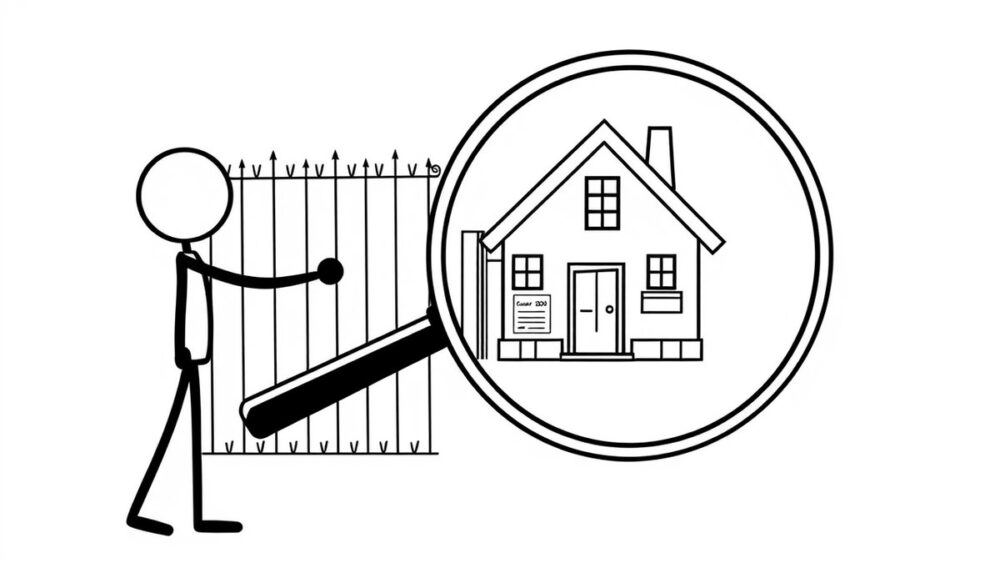
Ever walked past a beautiful landed house and wondered about its history? How much did the owner pay for it? When was it last sold? For many Singaporeans, the landed property market feels like a secret club. The gates are high and the driveways are long. You might feel like an outsider looking in. But what if you could peek behind the curtain? The community on HardwareZone is doing exactly that. They are using digital tools to become property detectives. It is time you joined the investigation. Finding your dream home requires more than just luck. It requires the right data and a bit of local ‘kaypoh’ spirit. Ready to start your hunt?
The Digital Detective Era
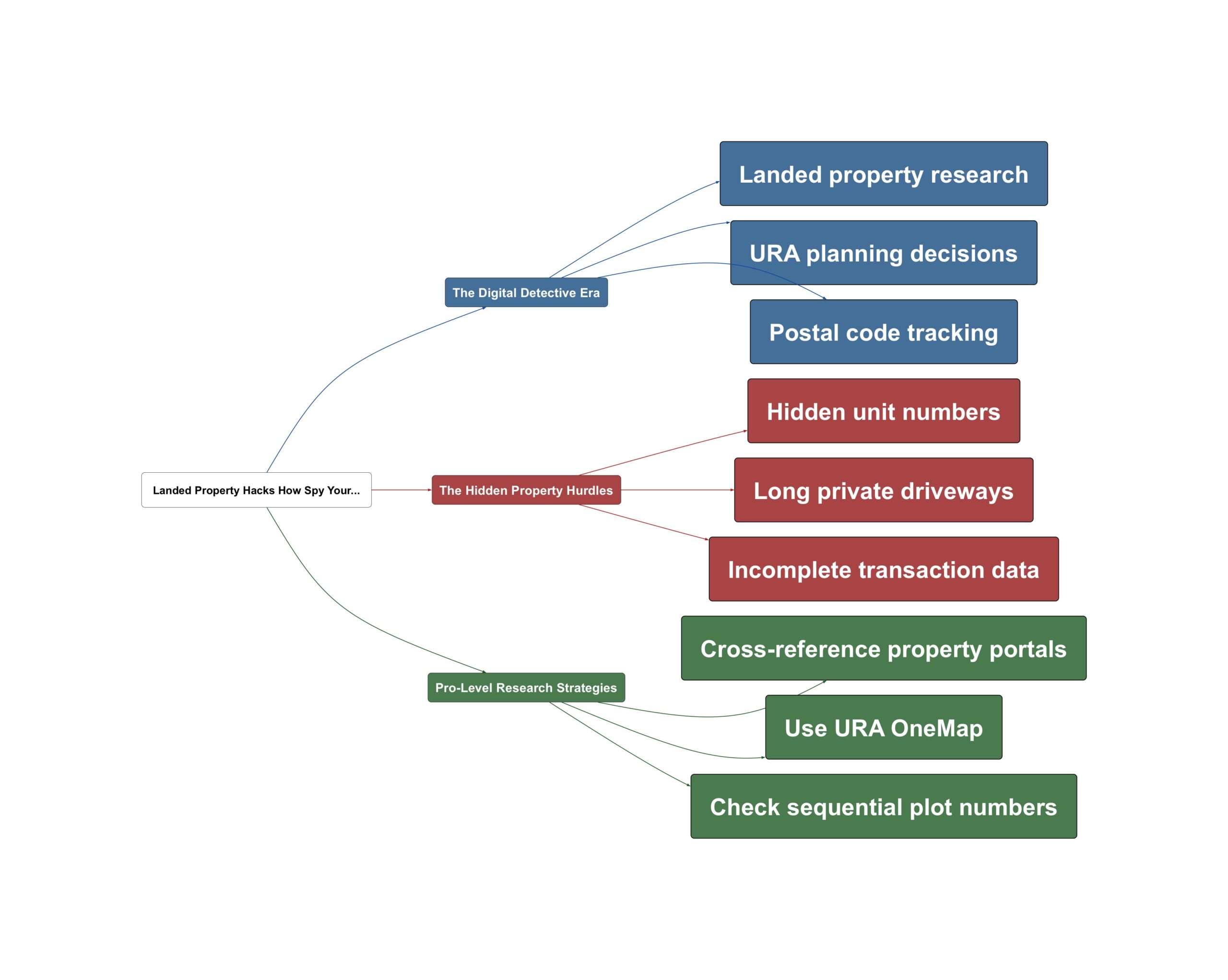
The landed property landscape in Singapore is changing rapidly. More buyers are taking research into their own hands. They are no longer relying solely on what agents tell them. Instead, they are diving deep into government databases. The URA website has become a primary tool for savvy seekers. It contains planning decisions dating back to the year 2000. This means 26 years of history is at your fingertips. You can see how land has been subdivided over decades. OneMap is another powerful resource for tracking plot numbers. These numbers are usually sequential unless the land was split. The community is buzzing with these new ways to verify information. As one popular insight from limck, who received 2 likes, pointed out:
“you can check URA website which shows the planning decisions from year 2000 onwards. Any subdivision of land after year 2000 is also registered on the same site.”
This level of transparency is a game-changer for buyers. It allows you to verify the history of a plot before committing. You can see if a large detached house was once part of a bigger estate. This helps in understanding the long-term value of the land. The community largely agrees that data is the new currency in property. Even street views are being used to map out neighborhoods. People are looking at specific areas like Phoenix Rise with intense detail. They are sharing tips on how to find the exact unit history. It is a collaborative effort to level the playing field. Everyone wants to make sure they are paying a fair price.
- URA website offers planning data from year 2000 onwards
- OneMap provides sequential plot numbers for land tracking
- Historical subdivision records help verify land value and potential
The Hidden Property Hurdles
The journey to owning a landed home is full of roadblocks. One major issue is the lack of visual access. Many detached houses have very long driveways. Even if you use Google Street View, you cannot see the house. This makes it hard to judge the condition of the property. Another frustration is the lack of transparency on property portals. Websites often hide the full address or unit number. This makes it difficult to track specific transaction histories. Buyers feel like they are playing a guessing game. They see a price but do not know which house it belongs to. As anyhowsaysay noted in the forum:
“The detached got very long driveway even if got street view but not see it”
This physical privacy is a perk for owners but a pain for buyers. You might spend hours driving around only to see a closed gate. There is also the challenge of matching data across different sites. One site might show the street name but hide the postal code. Another might show the price but hide the unit number. This fragmentation of data causes a lot of stress. Buyers worry about missing out on a good deal. They also fear overpaying for a unit with hidden issues. The emotional toll of the search is real. It can feel like a full-time job without a salary. Many seekers feel overwhelmed by the technicalities of land titles. They struggle to understand how postal codes work for landed units. In Singapore, every bit of information counts. Losing out because of a hidden detail is a common fear.
- Long driveways prevent visual inspection via digital street views
- Property portals often mask exact unit numbers and addresses
- Fragmented data across different websites creates research confusion
“they reveal the postal code because typically condo/hdb postal code can’t tell which unit. But landed postal code is the unit!”
Pro-Level Research Strategies
There are smart ways to overcome these challenges. The community has developed several ‘hacks’ to find the truth. One of the best tips is using postal codes. In Singapore, a landed house often has its own unique postal code. This is different from HDB flats or condos. If you find the postal code, you find the house. You can then check the last transacted price easily. One member, wj1984, suggested a clever way to cross-reference portals. You start with PropertyGuru to find the estate. Then you jump to 99.co to find more specific unit details. This cross-checking method is very effective. As wj1984 shared with the community:
“via property guru check the estate then go 99co and check the estate as well.. 99co will give the unit number but blank the later part”
Another step is to look at neighboring properties. If a specific house is not for sale, search the next street. Scroll down to see the last transacted units in the area. This gives you a benchmark for the current market price. Do not forget to check the URA planning decisions again. Look for any upcoming developments in the neighborhood. This could affect your future privacy or property value. It is also wise to seek bank mortgage advice early. Knowing your loan eligibility helps you move fast when you find a deal. Many forum members are already sharing mortgage contacts via PM. This shows the importance of having your finances ready. Being a smart seeker means being proactive. Use every tool at your disposal to gain an edge. Your dream home is out there, but you must find it first.
- Use unique landed postal codes to track exact unit history
- Cross-reference multiple property portals to uncover hidden unit numbers
- Check neighboring transactions to establish a fair market benchmark
- Get early bank mortgage advice to secure your buying power
“click into 1 of the property then scroll down… you will see the last transcated…”
💡 Key Takeaway: Landed property buyers can bypass portal restrictions by cross-referencing URA data and using unique postal codes to uncover transaction histories.
Read the original discussions on HardwareZone: