
Are you eyeing a landed property in Singapore? The dream of owning land is very powerful here. But the research process can feel like a secret mission. Many buyers feel lost in a sea of data. You want to know if you are paying a fair price. You also need to know the hidden costs of maintenance. Let’s look at how the experts do it.
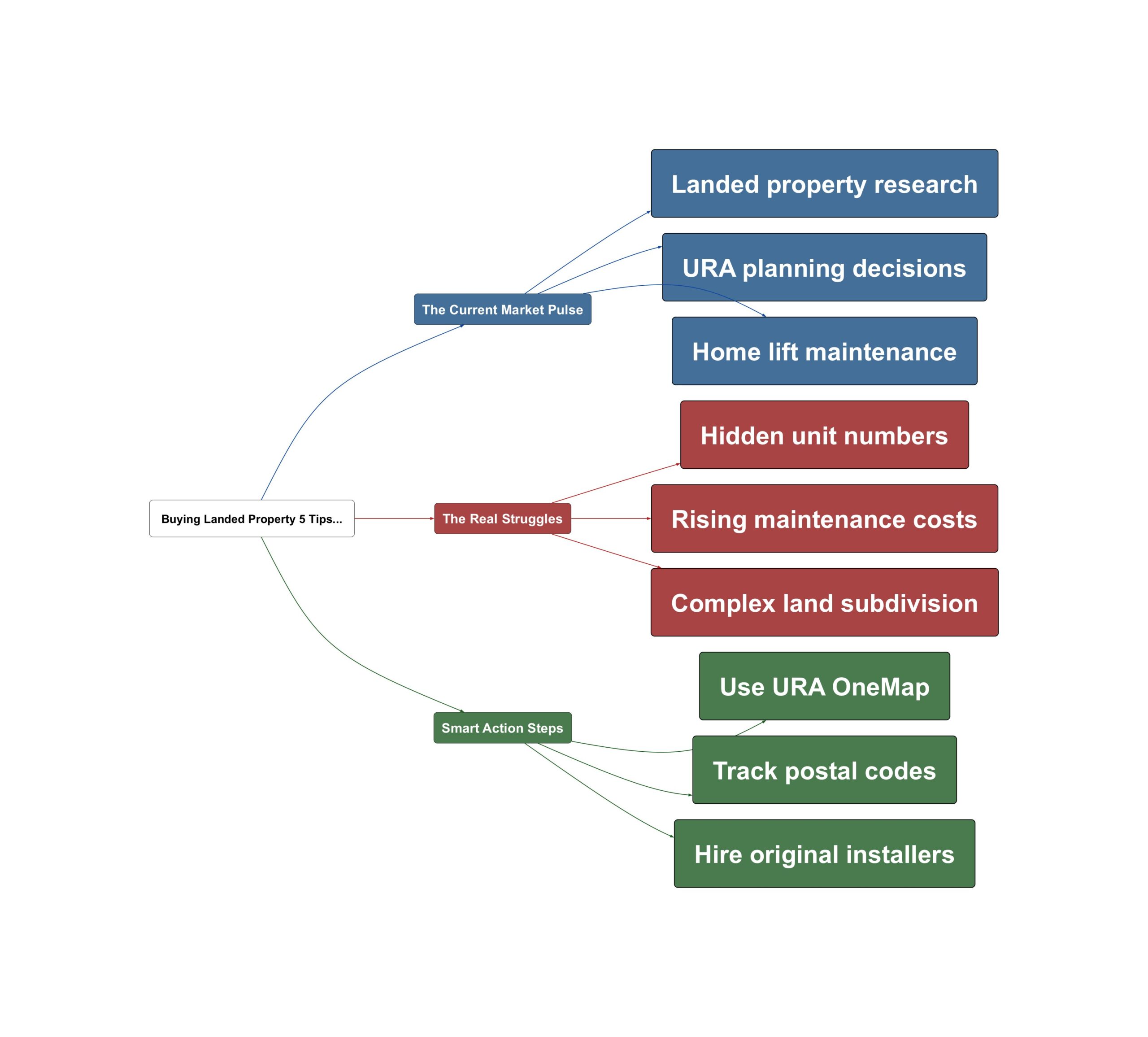
The Current Market Pulse
The landed market in Singapore is very niche and private. Buyers today are becoming like digital private investigators. They use tools like the URA website to track history. This site shows planning decisions dating back to the year 2000. It is a goldmine for those who know where to look.
You can also use the URA site or OneMap to view plot numbers. These numbers are usually sequential. However, they change once a plot is subdivided into smaller units. Tracking these changes is key to understanding the property’s history.
As forum member limck noted to the community’s interest:
“Any subdivision of land after year 2000 is also registered on the same site. Can also use the same URA website or Onemap to view the plot numbers.”
Understanding the land layout is the first step. Some detached houses have very long driveways. These can hide the house from the street view. Detailed plot maps reveal what the eye cannot see from the road. This helps you assess the actual land utility before you even visit.
The Real Struggles
Finding the exact unit price is a major challenge. Property portals often hide the specific unit number for landed homes. This makes it hard to compare similar houses. You might see a street name but not the specific house number. This lack of transparency frustrates many potential buyers.
One forum member, wj1984, shared a clever workaround for this issue:
“Actually got 2 ways to see it… 1. via property guru checking the estate and clicking into the house sold. Though the address is xx phoenix rise but the postal code is shown!”
Another member, anyhowsaysay, pointed out why this matters:
“Landed postal code is the unit!”
Beyond the purchase, maintenance costs are a huge concern. Many modern landed homes now include private home lifts. Lift maintenance is a mandatory expense that many forget to budget for. You cannot just service it once a year and forget it. It requires quarterly checks and annual inspections by a Specialist Professional Engineer.
The Progressive Wage Model (PWM) is also driving costs up. This affects the salaries of lift maintenance employees. As their wages rise, your service contracts will also get pricier. Higher labor costs mean your monthly town council-like fees are now your own responsibility. This can be a shock to those moving from HDB or condos.
Smart Action Steps
To succeed, you must use every digital tool available. Start with OneMap to verify plot boundaries and numbers. Use PropertyGuru to cross-reference with postal codes. This allows you to find exact transaction histories for specific houses. You will know exactly what the neighbor paid for their unit.
For maintenance, the community suggests sticking with the original installers. They know the equipment and spare parts better. As limck advised the forum:
“It might be better to just go back to the one who installed your lift since they will know their equipment better.”
Planning for these costs early prevents financial stress later. Budget for quarterly lift servicing and mandatory load tests every five years. These are not optional if you want to stay compliant. Safety should always be your top priority in a multi-story home.
If you are planning to build or renovate, check the car porch rules. You can often build a car porch roof extending up to 5.4m from the house. This adds significant value and utility to your driveway. Maximizing your land use within URA guidelines is the best way to grow your investment. Always verify the latest planning decisions before signing any contracts.
💡 Key Takeaway: Successful landed property ownership in Singapore requires deep digital research using URA and OneMap, combined with a realistic budget for mandatory maintenance costs like home lifts.
Read the original discussions on HardwareZone: