We are witnessing a fundamental shift in how we interact with technology, moving from simple chat interfaces to AI agents that can actually ‘use’ our computers. This new frontier promises to turn the dream of a fully automated workflow into a reality for founders and creators alike.
The Rise of Autonomous Computing
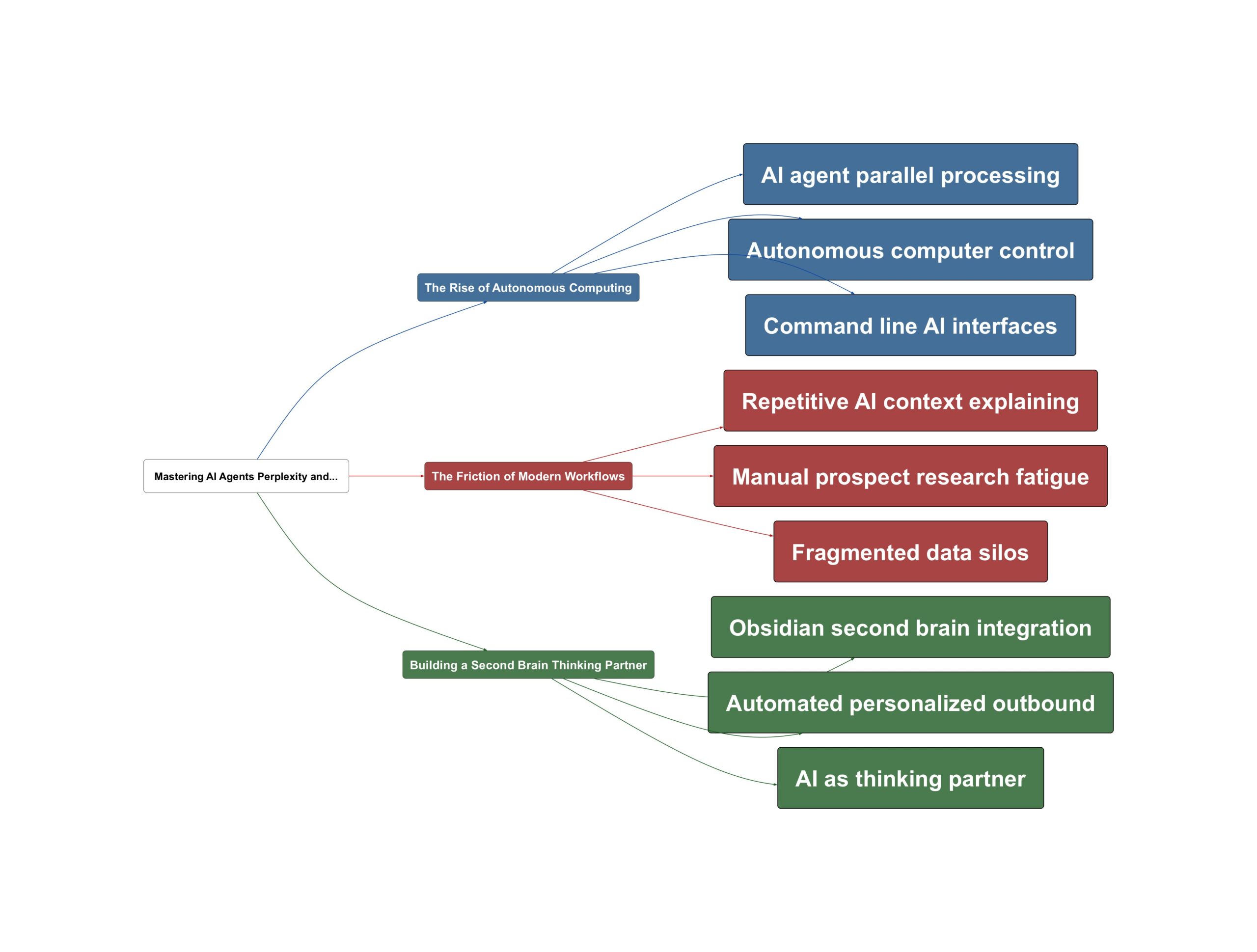
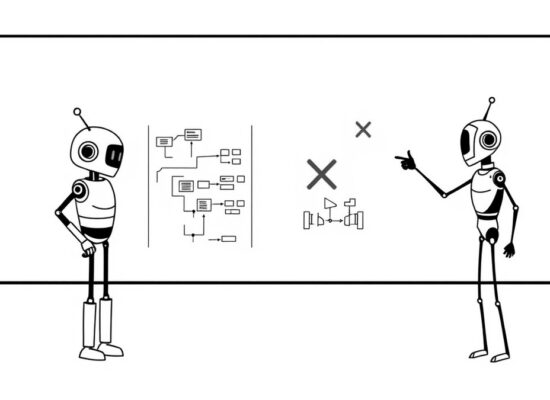
The current landscape of productivity is being redefined by tools like Perplexity Computer and Claude Code. These aren’t just smarter chatbots; they are agents capable of performing parallel tasks that previously required human intervention or complex coding. As Greg Isenberg observes during his first look at Perplexity’s new interface, the ability to execute multiple workflows simultaneously is a game-changer. Parallel processing allows a founder to research prospects, analyze funding data, and draft outreach all at once without switching between a dozen browser tabs.
It’s running all these tasks in parallel, which is pretty cool. You don’t need to open up a bunch of different cloud code instances. It’s right there running it in parallel.
— Greg Isenberg
Beyond simple automation, the integration of command-line agents like Claude Code introduces a level of control that was previously reserved for developers. Imagine telling your computer to create files, organize your desktop, or analyze a project folder using nothing but natural language. This shift means your computer is no longer just a tool for input, but an active partner in execution.
The Friction of Modern Workflows
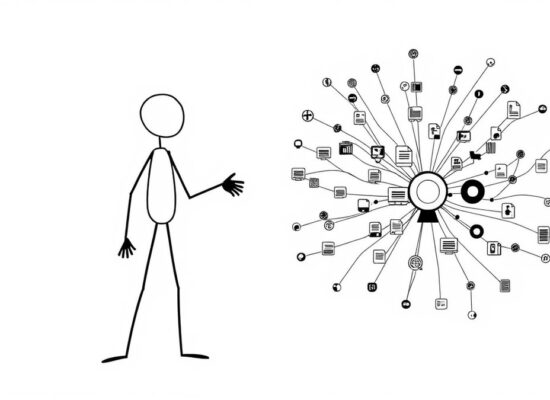
Despite these advancements, many entrepreneurs still struggle with ‘context fatigue.’ Have you ever found yourself explaining the same business goals or brand voice to an AI over and over again? This repetitive loop is a primary pain point for those trying to scale their output. Without a persistent second brain, AI agents lack the historical context needed to provide truly personalized results. Building on this, the manual effort required for high-stakes tasks like ‘warm outbound’ remains a massive time sink. Founders often spend hours researching LinkedIn profiles and funding news just to send a single personalized email. This fragmentation of data—where your insights live in one place and your execution tools in another—creates a bottleneck that stops growth in its tracks.
I want you to have an understanding of how you can stop having to explain things to agents over and over again and just pass specific files in.
— Greg Isenberg
Building a Second Brain Thinking Partner
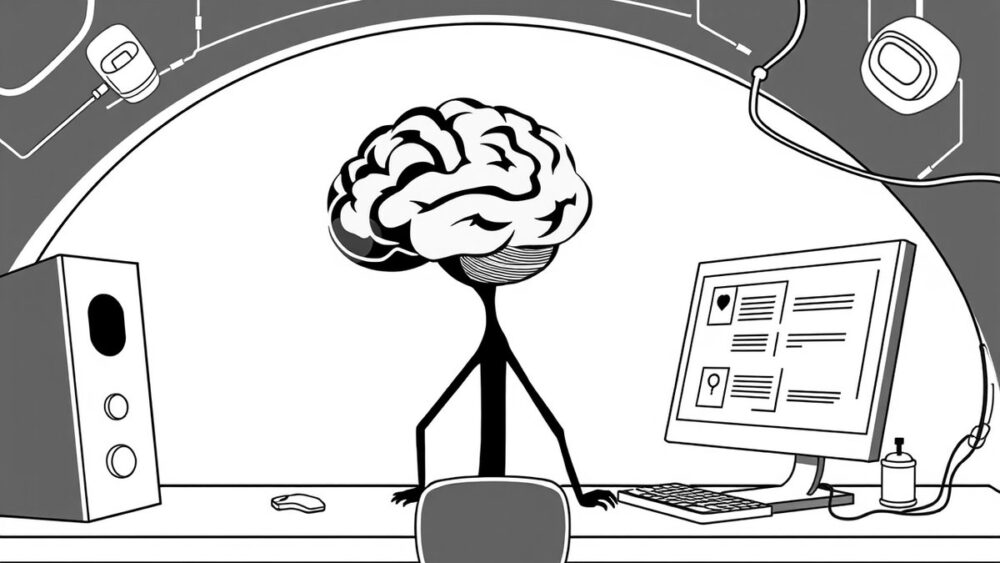
The resolution lies in the synergy between persistent knowledge bases and agentic AI. By pairing Obsidian—a powerful markdown-based ‘second brain’—with agents like Claude Code, you create a thinking partner that grows with you. Instead of starting every prompt from scratch, you can pass specific local files into the AI, giving it instant access to your deep-seated thoughts and project histories. This allows for a more sophisticated level of automation, such as generating 30 hyper-personalized cold emails based on real-time LinkedIn research and sending them via your connected Gmail in one fell swoop.
I want you to understand how you can use Obsidian and Cloud Code to notice things about the way you think that you would not have noticed on your own.
— Greg Isenberg
To implement this in your own life, start by centralizing your core business logic in a tool like Obsidian. When you use an agent, point it toward these files to maintain contextual integrity. Whether it is scaling outreach or analyzing your own thinking patterns, the combination of local data and autonomous agents is the key to working smarter. The bigger picture? You are no longer just managing software; you are directing a digital staff that understands your history and executes your future.
💡 Key Takeaway: Combine a local second brain with AI agents to automate workflows and gain deep personal insights.
Video Sources