The landscape of AI-assisted productivity is shifting at a breakneck pace, moving beyond simple chat interfaces into the era of agentic workflows. Whether you are a seasoned developer or a non-technical professional looking to streamline your day, the arrival of tools like Claude Code and its UI-driven sibling, Claude Cowork, marks a fundamental change in how we collaborate with machines. By synthesizing insights from top creators, we can see a clear path from technical complexity to widespread accessibility.
The Evolution of Autonomous Workflows
For months, the AI community has been buzzing about the power of the terminal, but the release of Claude Cowork has effectively democratized that power. As Greg Isenberg points out, this new tool harnesses the raw capabilities of Claude Code but wraps them in a user interface that is accessible to everyone. This transition signals a shift from purely technical tasks to broader applications in business and creative fields. It turns out that even the creators were surprised by how users adopted the technology.
I kind of feel the journey of quad code has been very surprising. And I have been learning so much just watching how people use the product and how they abuse it and kind of like what what they actually want to use it for.
— Greg Isenberg
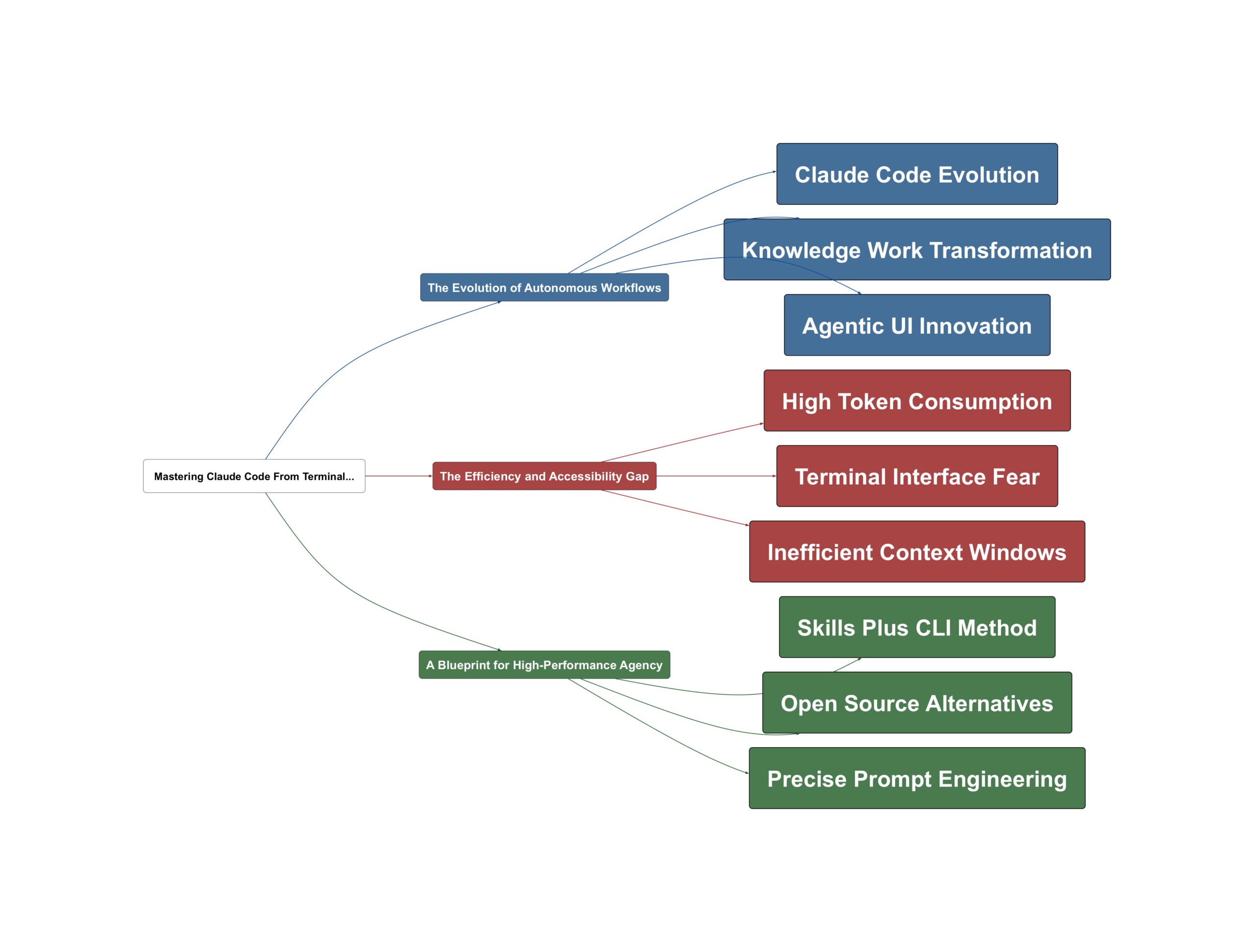
Building on this, the industry is seeing a move toward multi-agent architectures that can handle complex “white-collar” tasks. While the terminal remains the powerhouse for developers, the UI layer allows for automated competitive intelligence, SOP creation, and file organization. The situation is no longer about just writing code; it is about building systems that can think and act across your entire digital workspace.
The Efficiency and Accessibility Gap
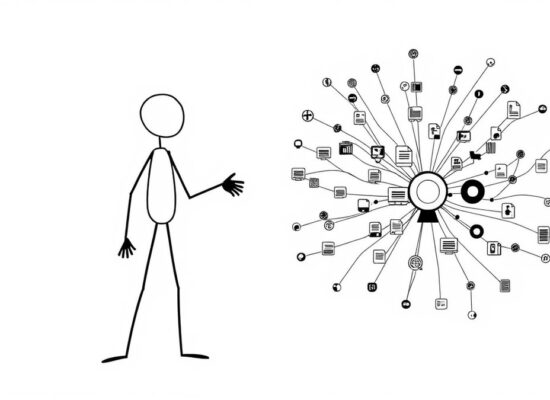
Despite the excitement, several hurdles remain for those trying to scale these agents. A major complication involves the Model Context Protocol (MCP). While powerful, adding multiple MCP servers can inadvertently bloat the context window with unnecessary JSON schemas, leading to massive token waste and higher costs. AI Jason highlights this efficiency trap, noting that every added tool consumes space regardless of its relevance to the current task.
Every MCP server you add comes with this bundle of different tools… and all those information is part of context no matter whether the task that agent is doing at moment is relevant or not. So it just unnecessary eats up loads of context window.
— AI Jason
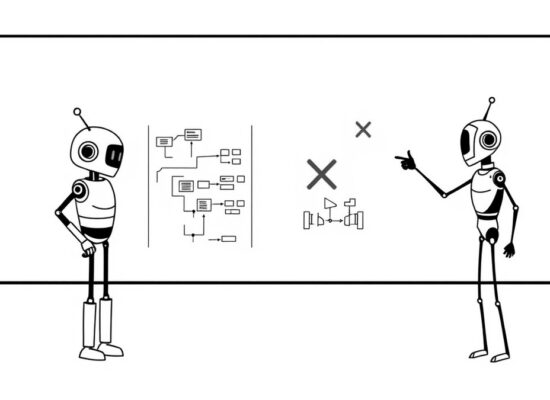
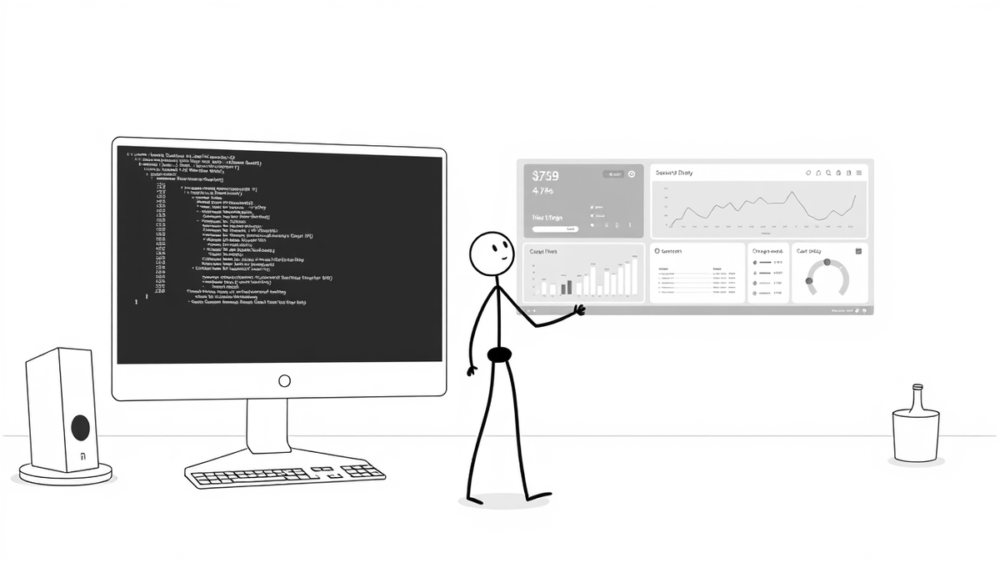
Furthermore, there is a psychological barrier: “terminal fear.” For many beginners, the command line is a daunting “boogeyman” that prevents them from even trying advanced agents. This is compounded by the issue of input quality. As AI models become more sophisticated, the bottleneck is no longer the AI’s intelligence but the user’s ability to provide precise, articulate instructions. If you provide “slop” as an input, you will invariably get “slop” as an output, regardless of how advanced the underlying model is.
A Blueprint for High-Performance Agency
To overcome these challenges, experts recommend a more modular and precise approach to agent interaction. One of the most effective solutions is the Skills + CLI combination. Instead of loading every tool at once via MCP, users can create specific skill files that only inject the necessary prompts and resources when retrieved. This method can lead to a staggering 70% reduction in token consumption, making agents more scalable and cost-effective.
- Adopt Open Source Alternatives: For those wary of vendor lock-in, projects like OpenWork.ai (formerly Agent AI) provide Apache 2 licensed frameworks for multi-agent systems.
- Refine Your Inputs: Treat the agent like a human engineer. Be precise, articulate, and provide deep context to avoid the “slop” trap.
- Bridge the UI Gap: Use Claude Cowork for high-level management and Claude Code for deep-dive technical tasks.
However good your inputs are will dictate how good your output is. Right? We’re getting to a point where the models are so freakishly good that if you are producing quote unquote slop, it’s because you’ve given it slop.
— Greg Isenberg
Ultimately, the resolution lies in understanding that these tools are not just for coding but for automating knowledge work. By leveraging open-source frameworks and mastering the art of precise prompting, you can transform these agents from simple assistants into powerful, autonomous teammates that handle the heavy lifting of your digital life.
Video Sources
- Why MCP is dead & How I vibe now
- Beating Cowork with Open Source Cowork
- I got a private lesson on Claude Cowork & Claude Code
- Claude Code Clearly Explained (and how to use it)