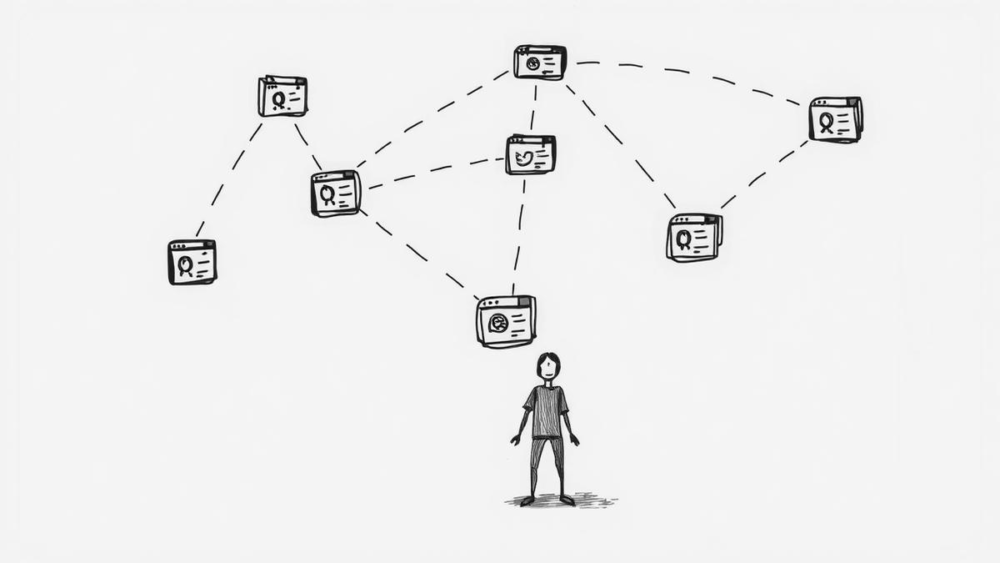
In an era of walled gardens and social media silos, the personal website is making a defiant comeback as the ultimate expression of digital sovereignty and creative freedom.
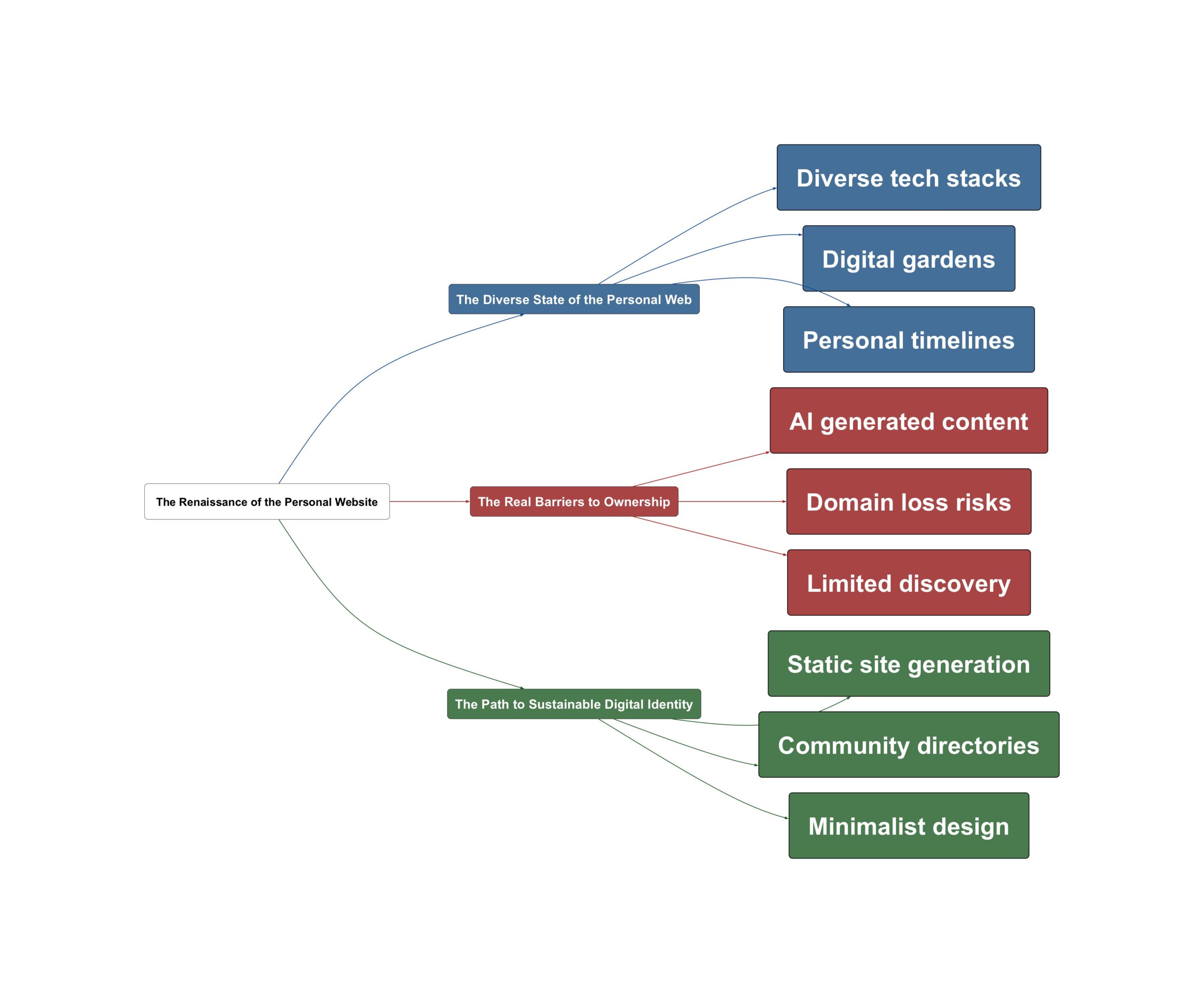
The Diverse State of the Personal Web
The current landscape of personal websites is more vibrant and technically diverse than ever, with developers moving away from cookie-cutter templates toward highly customized digital spaces. A recent Hacker News discussion saw over 2,300 comments from users eager to showcase their unique corners of the internet.
- Technological Variety: Sites range from minimalist plain HTML/CSS to complex browser-based desktop environments.
- Longevity and History: Many creators have maintained their domains for decades, with some sites active since 2008 or earlier.
- Experimental Formats: The rise of “digital gardens” and project timelines is replacing the traditional resume.
Spent years working on my own personal website which is also a desktop environment in the browser.
As one commenter noted, these sites often serve as a “pride and joy” containing creative code, poetry, and interactive easter eggs that simply cannot exist on standardized platforms.
The Real Barriers to Ownership
Despite the enthusiasm, maintaining a personal web presence in the modern age comes with significant technical and structural challenges. The community highlighted several recurring pain points that threaten the health of the open web.
- The AI Content Flood: There is a growing concern about LLM-generated text diluting the authenticity of personal blogs.
- Fragile Infrastructure: Centralized registrars and hosts can pose existential threats to long-term projects.
- Discovery Gatekeeping: Many directories have strict entry requirements, making it hard for new or low-traffic sites to find an audience.
I strongly oppose writing with LLMs and think it’s more important than ever to write with our own words.
A highly-upvoted comment by russellbeattie warned users about the dangers of certain registrars:
If your account is “closed”, they will release your domains. In other words, you lose it forever.
The Path to Sustainable Digital Identity
The resolution to these challenges lies in returning to simplicity, community-driven discovery, and robust automation. By prioritizing human-centric content and resilient tech stacks, developers are finding ways to make their sites last.
- Minimalist Architecture: Using static site generators, Nix, or even simple JSON files for content management ensures long-term portability.
- Community-Maintained Directories: Projects like hnpwd.github.io are creating decentralized hubs for discovery.
- Actionable Automation: Automating directory submissions via pull requests and JSON feeds to keep listings current.
I made this about 5 years ago with just html and a-frame. The cms is an inline json file. It has aged really well!
Several users on Hacker News pointed out that the best approach is often the simplest. As the community reaction suggests, the future of the web isn’t found in a single platform, but in the thousands of small, hand-crafted sites that reflect the soul of their creators.