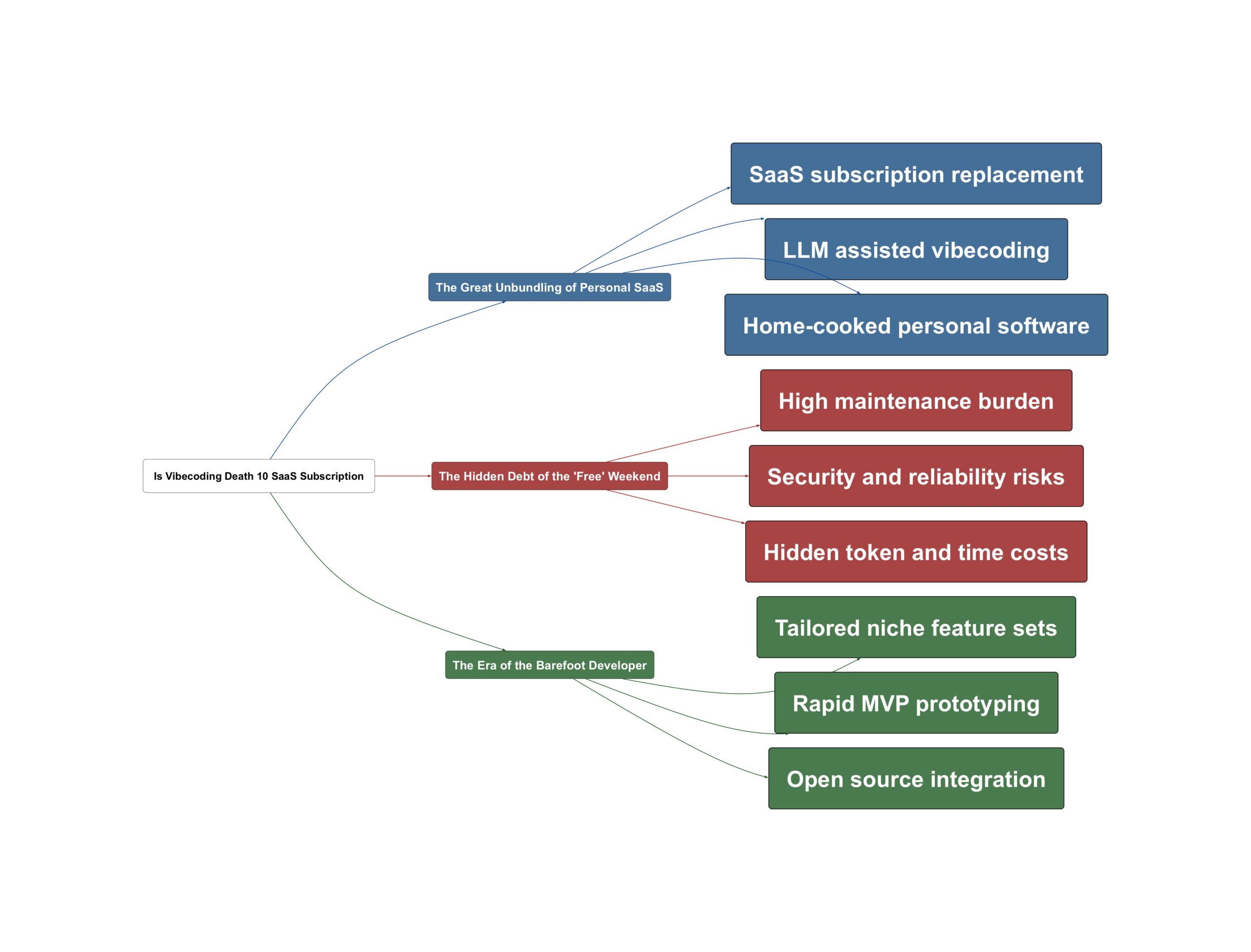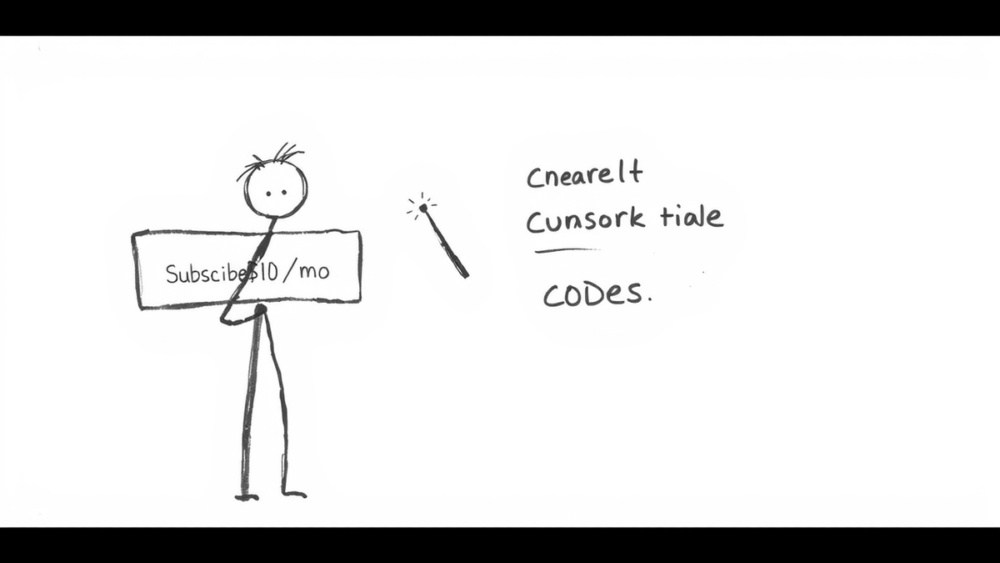
For years, the tech industry has operated on a simple premise: if you have a niche problem, there is a $9.99-a-month subscription waiting to solve it. But a new trend is emerging on Hacker News that threatens this equilibrium. Developers are no longer just ‘building’ apps; they are ‘vibecoding’ them—using LLMs to stitch together personal tools that replace everything from Markdown editors to video recorders in a single afternoon. Is this the beginning of a ‘home-cooked software’ revolution, or just an expensive way to build a fragile house of cards?
The Great Unbundling of Personal SaaS
The current landscape of software is shifting toward what some call the ‘Lisp-o-sphere’ dream, where every tool is editable and at your fingertips. We are seeing a surge in developers replacing mainstream subscriptions with bespoke, AI-generated alternatives. Whether it is replacing Loom with a custom screen recorder or Typora with a personalized Markdown editor, the barrier to entry for functional software has collapsed. Hacker News users are reporting 10x speed gains in prototyping these personal utilities. As one commenter noted,
There’s no need for it to be a product when you can do it yourself, and it’s the death knell of products like this.
This movement is not just about saving money; it is about the ‘barefoot developer’ philosophy—creating software for a community of one. The trend is moving away from bloated, multi-tenant SaaS toward lean, ‘vibecoded’ scripts that do exactly one thing well. As another user pointed out,
Most users only need a small subset of the entire feature set, and would be better served by a tailored version.
The Hidden Debt of the ‘Free’ Weekend
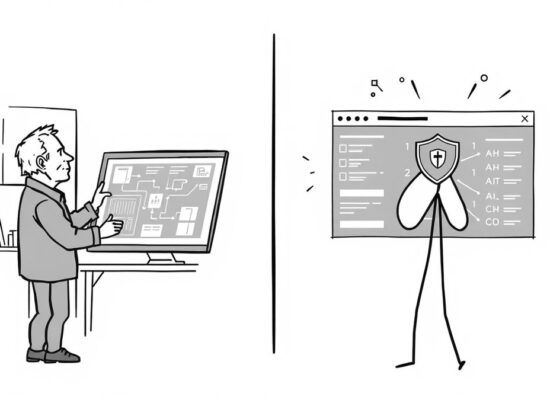
However, the HN community remains deeply skeptical about the true cost of this independence. The most immediate pushback is that ‘time isn’t free,’ and the tokens required to prompt these apps into existence are certainly not free either. We are trading a monthly subscription fee for a mounting pile of maintenance debt. Several users highlighted that while a vibecoded app works today, it lacks the security, hosting, and long-term support that professional SaaS provides. One highly-upvoted comment warned,
It just means you’ll slowly get dependent on things that will eventually break in ways you will have no capacity to fix.
There is also the ‘Gas Town’ problem—the risk of creating ‘abstract garbage generators’ that look like software but are actually just a mess of unreadable AI-generated spaghetti. Does this actually scale? For a single user, perhaps. But for an organization, the lack of CI/CD and proper code reviews makes these tools a liability. As one skeptic put it,
Spending a weekend to make a shitty clone of a SaaS app so that you can save $10 is… somewhat questionable.
The Era of the Barefoot Developer
The resolution lies in understanding that vibecoding is not a replacement for enterprise software, but a new category of ‘home-cooked’ utility. The goal isn’t to build the next Loom; it is to build the tool you need for Tuesday. To navigate this, savvy developers are adopting a ‘contractor’ mindset with AI, using tools like ClaudeCode or beads to iterate on MVPs while maintaining a healthy skepticism of the output. The community suggests finding open-source foundations to build upon rather than starting from zero, as this mitigates the ‘fragility’ of pure AI code.
Lower the barrier to MVP while raising the bar on the level of quality that warrants MRR.
In practice, this means we should stop paying for ‘trivial’ subscriptions that offer no ongoing service or hosting. If an app is just a wrapper around a local API, it belongs in your weekend project folder, not your credit card statement. By treating vibecoding as a ‘mad scientist’ experiment rather than a production-grade product, we can reclaim agency over our digital toolkits without drowning in maintenance. As one user aptly summarized,
If it’s stupid, but it works, it isn’t stupid.
- Your app subscription is now my weekend project
- Gas Town’s agent patterns, design bottlenecks, and vibecoding at scale