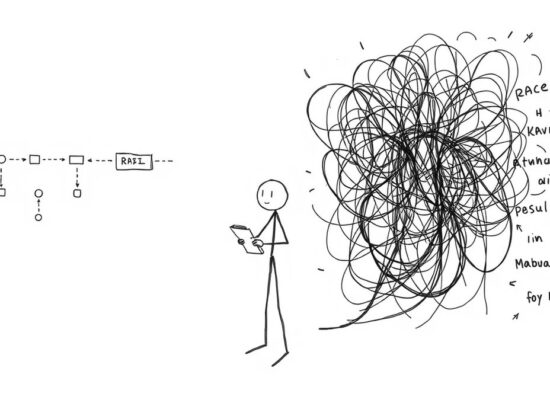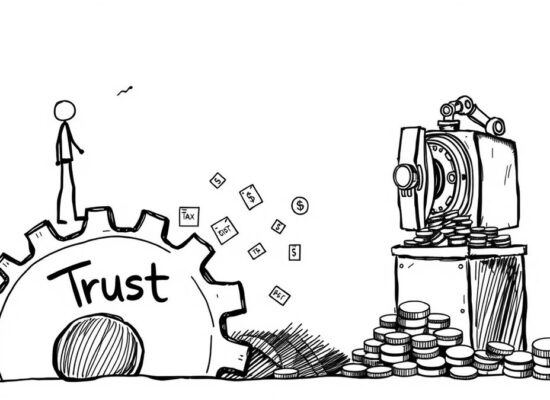
Ever feel like life in the Little Red Dot is getting a bit too intense lately? Between the rising costs of Cai Fan and the news of our record-low fertility rate, it is easy to feel overwhelmed. Many of us are scrolling through Reddit just to find some sense of shared reality. For instance, the recent announcement of a 0.87 birth rate has sparked a massive conversation about what it actually takes to survive here. Is it just about money, or is the Singaporean dream itself changing? Meanwhile, we see the community stepping up with tools and advice to help one another. Let’s dive into the current pulse of our island nation. Sound familiar?
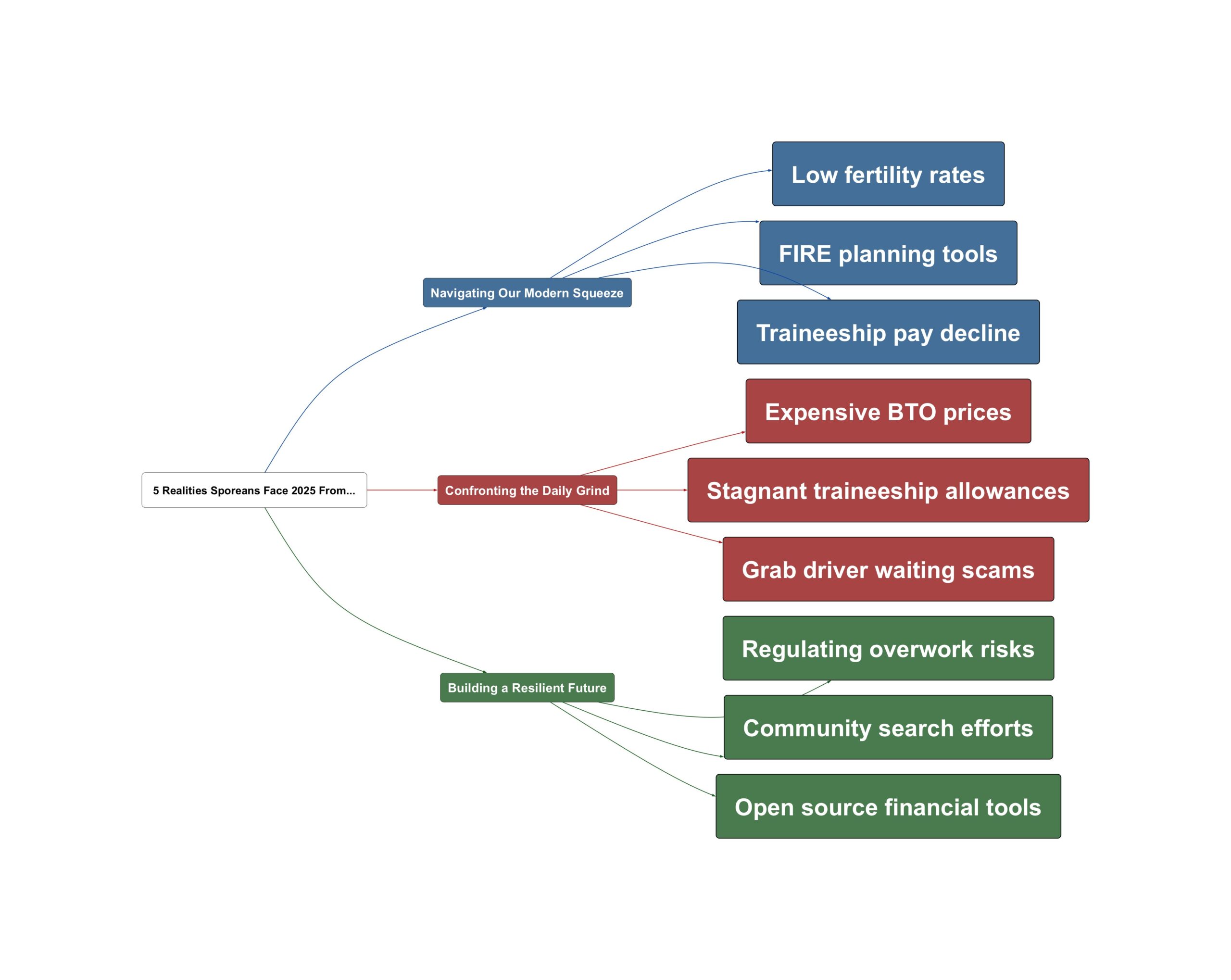
Navigating Our Modern Squeeze
Firstly, we must discuss the reality of starting a family in 2025. Many Singaporeans feel a deep disconnect between official goals and their actual lived experiences. For example, while the government encourages parenthood, the wait times for housing remain a significant hurdle. Consequently, young couples are often left wondering how to balance biological clocks with construction timelines.
- The housing and fertility mismatch remains a major talking point.
“Government: Please have 3 kids. Also Government: ‘Your 4-room BTO in Tengah will be ready in 2031, costs $650k, and you have to outbid 12 other couples just to get a queue number'”
In addition to housing woes, the general sense of luck seems to be running thin for many. Even our traditional symbols of prosperity are being viewed through a lens of skepticism lately. Therefore, when people see the God of Fortune gambling, it resonates as a metaphor for our current economic struggle.
- Public sentiment reflects a sense of exhaustion regarding financial luck.
“You know you’re cooked when the God of Fortune himself is gambling”
However, there is a silver lining as the community turns toward self-reliance and data. Many are now using sophisticated tools to map out their own financial freedom without relying on expensive advice. This shift shows a growing desire for transparency in personal finance.
- Singaporeans are increasingly taking retirement planning into their own hands.
“FAs hate this guy.”
Confronting the Daily Grind
However, the challenges do not stop at housing or retirement planning. One major concern involves the career prospects for our younger generation. Furthermore, the drop in traineeship applications highlights a growing gap between corporate offerings and living costs. As a result, fresh graduates are feeling undervalued as inflation outpaces their starting allowances.
- Traineeship pay is failing to keep up with the rising cost of living.
“So after 2-3 years (2022-2024) of high inflation, the current traineeship did not increase in allowance to account for inflation, but had decreased instead to 1.8k to 2.4k.”
Meanwhile, the push for a mindset shift regarding parenthood often falls flat when compared to daily financial pressures. Many feel that policymakers are out of touch with the grind of the average worker. Consequently, there is a loud call for more practical support rather than just ideological resets.
- There is a perceived disconnect between government policy and the financial reality of citizens.
“Indranee says we need to ‘reset’ our views on marriage and parenthood, but my bank account is currently telling me I can barely afford to ‘reset’ my lunch options.”
On top of these systemic issues, daily frustrations like ride-hailing scams are adding to the mental load. For instance, some drivers are allegedly stalling to trigger waiting fees. This creates a sense of distrust in services we rely on every single day for our families.
- Ride-hailing users are reporting intentional delays by drivers to extract extra fees.
“Whenever you observe the driver doing this, take a screenshot showing that the driver has ‘arrived’ but is not at the location.”
Building a Resilient Future
Despite these challenges, the community is finding ways to protect one another and push for change. One way this happens is through the call for better regulation of potential pitfalls like gambling and overwork. Furthermore, people are asking why some sectors are regulated so quickly while others are ignored by the authorities.
- There is a strong demand for regulation that prioritizes worker well-being.
“If only overworking is as swiftly regulated as vape and trading cards.”
In addition to seeking better rules, the spirit of community remains alive in times of crisis. For example, the recent search efforts at Kallang River showed a nation coming together in grief and support. Therefore, even in tragedy, the collective empathy of Singaporeans shines through clearly during difficult nights.
- The community continues to show immense support for families during tragic events.
“And thank you to everyone who helped tirelessly in the search efforts.”
Another approach involves the sharing of free resources to help everyone level up. By providing open-source tools, developers are empowering the average person to navigate complex financial landscapes. Consequently, this collective knowledge sharing becomes our strongest defense against economic uncertainty and high costs.
- Empowerment through free, community-built financial resources is growing.
“Havent tried everything, but just wanna say thank you for your contribution and effort. 💪”
💡 Key Takeaway: Singaporeans are countering systemic cost pressures by building their own financial tools and community support.
Read the original discussions on Reddit:
- [r/singapore] Even the God of Fortune needs some luck
- [r/singapore] Singapore’s total fertility rate drops to historic low of 0….
- [r/singaporefi] I built a free Singapore FIRE calculator — CPF, SRS, tax, Mo…
- [r/singapore] Body found in Kallang River near where boy went missing
- [r/singapore] About 90% drop in fresh grads applying for Singapore industr…
- [r/singapore] S’pore needs to reset views on marriage, parenthood; new wor…
- [r/askSingapore] Grab $5 waiting fee… driver intentionally stalling and scamm…
- [r/singapore] Trading card packs to be regulated in Singapore to manage ga…