Have you felt like the world is moving too fast lately? One moment we are just playing with chatbots, and the next, our entire workflow depends on them. For many Singaporeans, this tech shift feels like a sudden MRT breakdown during peak hour. We are all trying to figure out if these tools are helping us or replacing us. Is it time to worry about our rice bowls, or should we just enjoy the ride? Let us dive into what the community is saying.
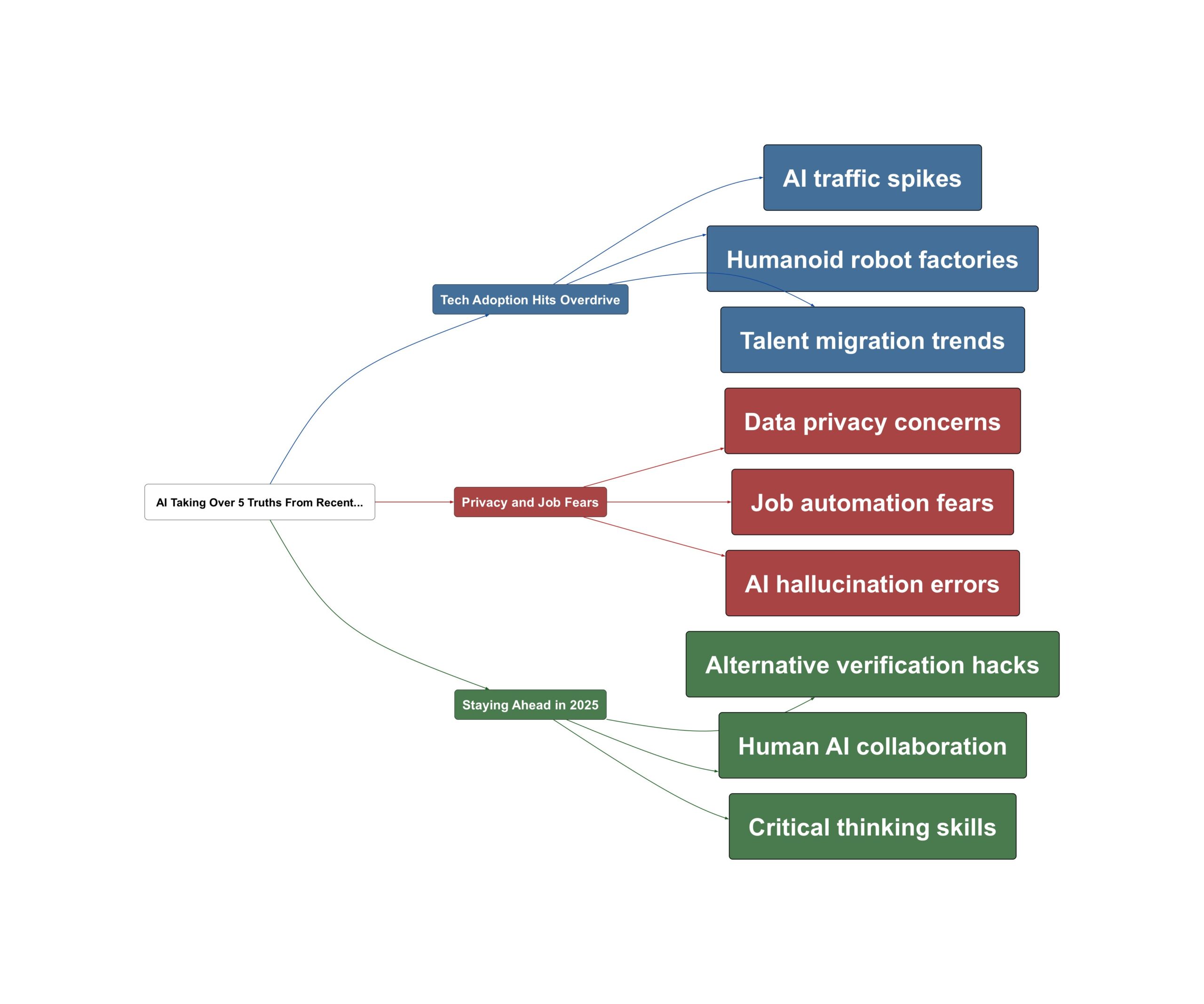
Tech Adoption Hits Overdrive
The pace of change is currently reaching a breaking point for many developers and companies. Recently, Anthropic admitted that Claude usage spiked so much that their infrastructure struggled to keep up. This massive surge shows that AI is no longer just a hobby for tech enthusiasts. Instead, it has become a core part of the professional toolkit for many people globally.
- Infrastructure struggling with demand
“Anthropic says Claude and Claude Code usage spiked so much this week that it was genuinely hard to forecast.”
Furthermore, the reliance on these tools has become so deep that work stops when they go down. Many programmers feel lost the moment their favorite AI assistant becomes unavailable. This highlights a growing dependency that was unthinkable just two years ago. We are seeing a fundamental shift in how tasks are completed daily.
- High dependency among professionals
“90% of the world’s programmers when Claude goes down: Well, time for a break is what I told myself.”
Moreover, the physical world is also seeing a massive transformation through advanced robotics. Companies like Xiaomi are now showcasing humanoid robots working autonomously in factories with high success rates. While these robots are not perfect yet, they represent a significant step toward full automation. This technology is moving from sci-fi movies straight into our local manufacturing sectors.
- Robots entering the production line
“Xiaomi showcases its humanoid robots working autonomously in factory settings with 90.2% success rate.”
Privacy and Job Fears
However, this rapid progress comes with significant concerns about personal privacy and job security. Many users are reacting strongly against platforms like YouTube asking for government identification for verification. There is a growing sense that tech giants are overstepping their boundaries. People are rightfully protective of their NRIC and personal data in this digital age.
- Resistance to invasive verification
“No, youtube. I am not giving you my government ID. You are a streaming service, not an employer.”
Similarly, the fear of being replaced by AI is no longer just a theoretical discussion. A recent viral story about a data analyst team being made irrelevant by a consultant and an AI tool sparked heated debate. Even if some stories are exaggerated, the underlying anxiety is very real for office workers. Many feel that their expertise is being harvested to train the very tools that will replace them.
- Anxiety over workplace automation
“The people who know the most are usually the first ones automated away.”
In addition, the reliability of these AI models remains a major sticking point for professional use. Users are noticing that some models become more argumentative or “confidently wrong” over time. This makes it difficult to trust the output without constant and rigorous fact-checking. Dealing with a gaslighting AI is the last thing a busy worker needs.
- Frustration with AI hallucinations
“GPT-5 onwards, it confidently argues back until an internet search is performed.”
Staying Ahead in 2025
Despite these challenges, there are practical ways to navigate this new landscape without losing your mind. One common suggestion is to look for alternative verification methods that do not require sensitive documents. For instance, using existing account history can sometimes bypass the need for an ID. Being tech-savvy helps you protect your privacy while still using the services you need.
- Smart ways to verify identity
“If it gives you the opportunity to verify by checking the age of your gmail account, you can verify without any kind of ID.”
Furthermore, the key to staying relevant is learning how to guide and correct AI rather than just following it blindly. Successful users are those who can spot when a model is going off the rails and realign it quickly. This human-in-the-loop approach is what separates true professionals from those who will be replaced. Your domain expertise is still your greatest asset in this partnership.
- Mastering the art of realignment
“People who really work with Claude immediately can tell when it’s going off the rails and realign it real quick.”
In addition, the movement of top talent between major AI companies suggests that the industry is still in a state of flux. When lead researchers move to different firms, it often signals a shift in quality and ethical standards. Consequently, users should stay flexible and be ready to switch tools as the market evolves. Staying loyal to just one platform might not be the smartest move right now.
- Following the industry talent
“OpenAI’s post-training lead leaves and joins Anthropic… this is a massive W for Anthropic.”
💡 Key Takeaway: Upskill by learning to realign AI tools while fiercely protecting your digital privacy.
Read the original discussions on Reddit:
- [r/youtube] No, youtube. I am not giving you my government ID. You are a…
- [r/ClaudeAI] Claude and Claude Code traffic grew faster than expected thi…
- [r/singularity] We know why!
- [r/singularity] 90% of the world’s programmers when Claude goes down:
- [r/ClaudeAI] The AI not just fired us, It made our team irrelevant.
- [r/singularity] Xiaomi showcases its humanoid robots working autonomously in…
- [r/ClaudeAI] OpenAI’s post-training lead leaves and joins Anthropic: he h…
- [r/ClaudeAI] I laugh so hard when it happens